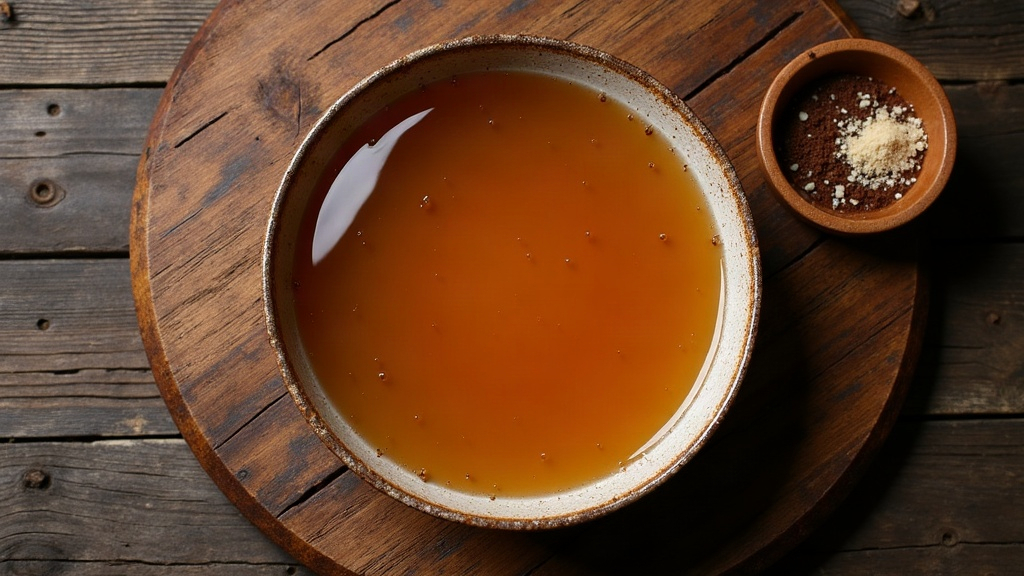
A short video walks through why so many women are curious about gelatin, collagen-related habits, and how satiety and body composition shift over time. No hype — just context worth understanding.
Many women notice their body responds differently to the same habits that used to feel effortless. Here’s what’s commonly discussed around these shifts.
Collagen production tends to slow down over time, and gelatin is often discussed as a food-based source connected to this protein family.
What used to keep you full for hours may not land the same way anymore, prompting many women to look at protein-rich habits more closely.
Body composition can change gradually, which is why some women pay closer attention to protein sources and daily movement together.
Generic calorie-counting approaches don't always account for how a woman's body changes across different life stages.
There’s a lot of noise online about metabolism. Here’s a grounded look at three common claims.
Metabolism only slows down due to age.
Metabolic rate is influenced by many factors including muscle mass, activity level, and daily habits — not age alone.
Any protein source works exactly the same way.
Protein sources vary in amino acid profile; gelatin, for example, is often noted for its glycine and proline content.
Skipping meals is the fastest path to change.
Consistent habits and satiety-focused choices are more commonly discussed as sustainable than restrictive skipping.
No complicated plan — just a practical framework many women use to organize daily habits.
Start by paying attention to when satiety feels off or energy dips — patterns often reveal more than a single day ever could.
Instead of removing foods, many women focus on adding protein-rich options like gelatin-based habits into an existing routine.
Small, repeatable habits tend to matter more over weeks than any single perfect day ever will.
Long before gelatin became a wellness topic, it was a kitchen staple — used in broths, desserts, and slow-cooked traditions passed down through generations. Grandmothers didn’t need a study to know that a good bone broth or a wobbly gelatin dessert had something to offer.
Insight: Many traditional food practices centered on using the whole ingredient — including connective tissue — long before ‘collagen’ became a marketing word.
Fullness that doesn't last as long as it used to, even after a full meal.
A change in skin texture or elasticity that seems to appear gradually.
Morning stiffness or joint discomfort that wasn't part of the routine before.
The same habits that used to maintain weight don't seem to work the same way.
An afternoon slump that coffee alone doesn't seem to fix anymore.
Nails that chip or break more easily than they used to.
Testimonials reflect individual experiences. Individual results may vary and are not a guarantee of any outcome.
Hydrolyzed gelatin is gelatin that has been broken down into smaller, more easily dissolved protein components, often used in food and wellness products.
Gelatin is derived from collagen through a cooking process. They share a similar amino acid profile but differ in texture and solubility.
No. This content is educational and general in nature. Always consult a qualified healthcare professional for personal guidance.
No. The video is meant to inform and provide context, not to promise any specific outcome.
This content is designed for women interested in learning more about wellness habits, satiety, and body composition topics.
No drastic changes are suggested. The focus is on understanding habits, not overhauling your entire routine overnight.
The video linked on this page walks through the topic in more detail in a simple, accessible format.
Take a few minutes to watch a clear, educational breakdown of gelatin, satiety, and everyday habits — no fluff, just useful context.
Advertising Disclosure: This page contains sponsored content and affiliate links. We may receive compensation if you make a purchase or take action through links provided on this page. This helps support our content at no additional cost to you.
Content Disclaimer: The information provided on this page is for educational purposes only and has not been evaluated by the FDA. It is not intended to diagnose, treat, cure, or prevent any disease. Always consult a qualified healthcare professional before making changes to your diet, exercise, or wellness routine.
Results Disclaimer: Individual results may vary. Testimonials and examples shared on this page are not a guarantee of any specific outcome or result for any individual.
© 2026 · All Rights Reserved · /contact/